
The manicured lawns of Virginia Water and the exclusive enclaves of Wentworth Estate have long attracted the world's ultra-wealthy, but recent revelations about £800 million worth of UK property linked to sanctioned Russian oligarchs should give even the most sanguine Surrey resident pause for thought. As investigations reveal the extent to which controversial foreign wealth has permeated Britain's most desirable addresses, our corner of the Home Counties finds itself uncomfortably close to a story that reaches far beyond property portfolios.
The scale of these holdings is staggering, representing not merely individual investments but a systematic approach to parking wealth in British real estate that has operated with remarkable impunity for decades. For those of us who have watched Surrey's property market soar to unprecedented heights, the question is no longer whether foreign money has inflated our local economy, but rather how much of that capital carries the stain of international sanctions and geopolitical controversy.
The Surrey Connection: More Than Just Prime Location
Surrey's appeal to international wealth is hardly accidental. The proximity to London, combined with excellent schools, pristine countryside, and a certain English respectability, has made postcodes like GU25 and KT13 among the most coveted in the world. Wentworth Estate alone has housed everyone from Formula One drivers to tech entrepreneurs, creating a ecosystem where £20 million properties change hands with the casual frequency of Waitrose transactions elsewhere.
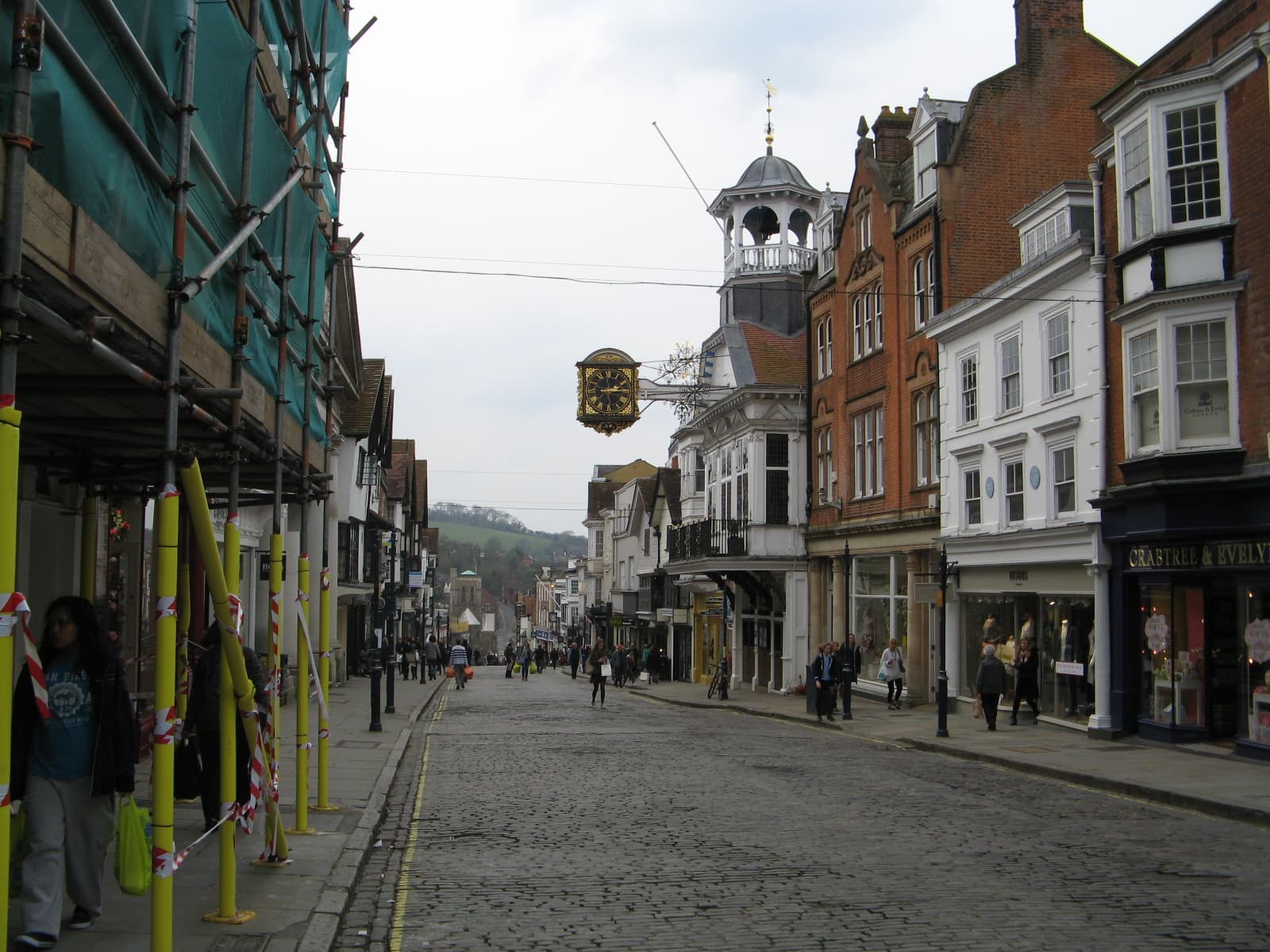
But this desirability has come at a cost that extends beyond simple market inflation. When sanctioned individuals can maintain property empires worth hundreds of millions through complex ownership structures, it suggests a system that has prioritised wealth attraction over wealth scrutiny. The elegant Georgian facades of Guildford's most exclusive streets and the modernist mansions tucked behind Virginia Water's ancient oaks may well conceal ownership structures that would make even experienced property lawyers reach for additional coffee.
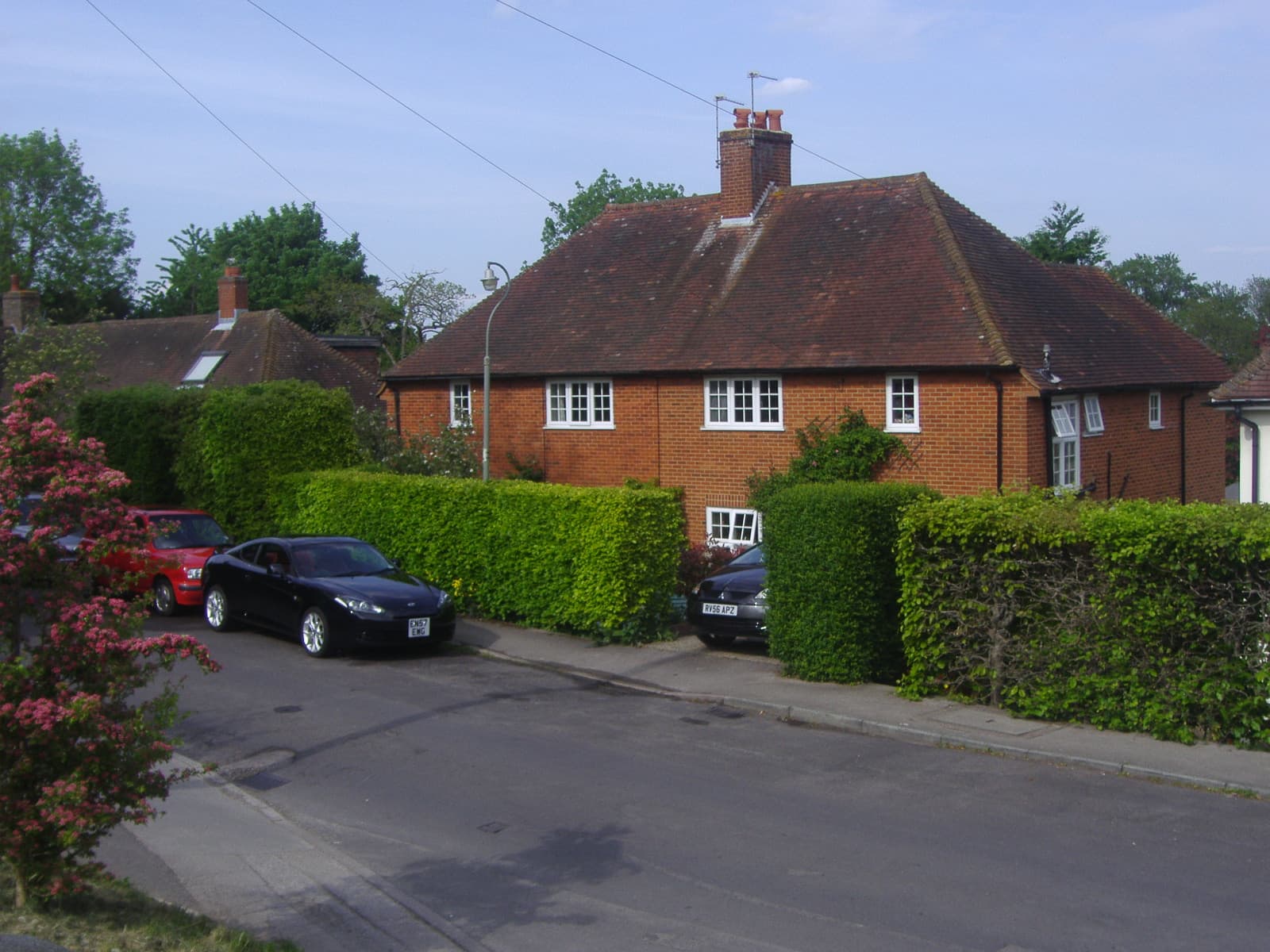
The elegant facades of Surrey's most exclusive addresses may well conceal ownership structures that would make even experienced property lawyers reach for additional coffee.
Local estate agents, who have grown accustomed to handling transactions that barely register a flicker of surprise at eight-figure price tags, now find themselves operating in an environment where due diligence extends far beyond standard mortgage approvals. The days when a client's ability to complete a cash purchase was the only relevant question are rapidly disappearing, replaced by a more complex landscape where the source of funds carries implications that stretch from Whitehall to Washington.
Beyond Property: The Broader Economic Impact
The infiltration of questionable wealth into Surrey's property market represents more than an abstract policy concern, it has real implications for local residents and businesses. When property prices are artificially inflated by money that may later face seizure or sanctions, the entire local economy becomes vulnerable to sudden corrections that could affect everything from school funding to local employment.
Consider the ripple effects: luxury service providers from landscape architects to private chefs, high-end retailers in towns like Esher and Cobham, and even local councils whose council tax receipts depend on sustained property values. The revelation that significant portions of this wealth ecosystem may be built on sanctioned foundations creates uncertainty that extends far beyond the immediate property owners.
Moreover, the presence of sanctioned wealth in our communities raises uncomfortable questions about the social fabric of Surrey itself. When school committees, charity boards, and local institutions may unknowingly benefit from funds that later face international restrictions, the entire framework of civic life becomes compromised. The annual fundraising gala at the local prep school takes on different connotations when major donors may be operating under assumed names or complex trust structures.
The professional services sector that has grown around Surrey's wealthy international community, from private banks to family offices, from tax advisors to wealth managers, now faces a reckoning with the reality that their client base may include individuals whose assets are subject to government seizure. This creates not only reputational risks but practical challenges that will reshape how business is conducted in Surrey's financial ecosystem.
Looking Forward: A New Era of Transparency
The identification of £800 million in sanctioned Russian property holdings marks a watershed moment for Surrey's relationship with international wealth. Moving forward, the county's desirability as a destination for global capital will increasingly depend on its ability to demonstrate that wealth attraction and regulatory compliance can coexist successfully.
This shift towards transparency, while initially disruptive, may ultimately strengthen Surrey's position as a destination for legitimate international investment. By establishing robust systems for verifying the source and legitimacy of major property purchases, the county can maintain its appeal to global wealth while distancing itself from the reputational risks associated with sanctioned assets.
Local authorities, estate agents, and professional services firms must now navigate a more complex environment where regulatory compliance and commercial success require careful balance. The old model of attracting wealth with minimal questions asked is rapidly becoming untenable, replaced by a new paradigm where transparency and due diligence are essential components of maintaining Surrey's premium market position.
For Surrey residents, this moment demands active engagement with the question of what kind of community we want to build. The choice is not between wealth and poverty, but between wealth that strengthens our local institutions and wealth that potentially compromises them. As investigations continue and more details emerge about the extent of sanctioned holdings in UK property, Surrey has the opportunity to lead by example in creating a framework for international investment that serves both global capital and local communities responsibly. The question is whether we will seize this opportunity or allow others to define our future for us.
.jpg)