The news that another Surrey town has claimed the runner-up position in the UK's most desirable places to live comes as little surprise to those of us who've long recognised the county's exceptional appeal. What's perhaps more telling is that Surrey has secured six positions in the top 20, a dominance that speaks to something far more profound than mere property prices or commuter convenience.
This latest accolade reinforces what discerning residents have known for decades: Surrey represents the sweet spot where English countryside charm meets metropolitan sophistication, where centuries-old market towns offer modern amenities without sacrificing their quintessential character.
The Anatomy of Surrey's Appeal
Surrey's consistent performance in desirability rankings isn't accidental, it's the result of a unique convergence of factors that few counties can match. The geographic positioning alone is masterful: close enough to London for seamless access to the capital's opportunities, yet sufficiently removed to maintain that crucial sense of escape from urban intensity.
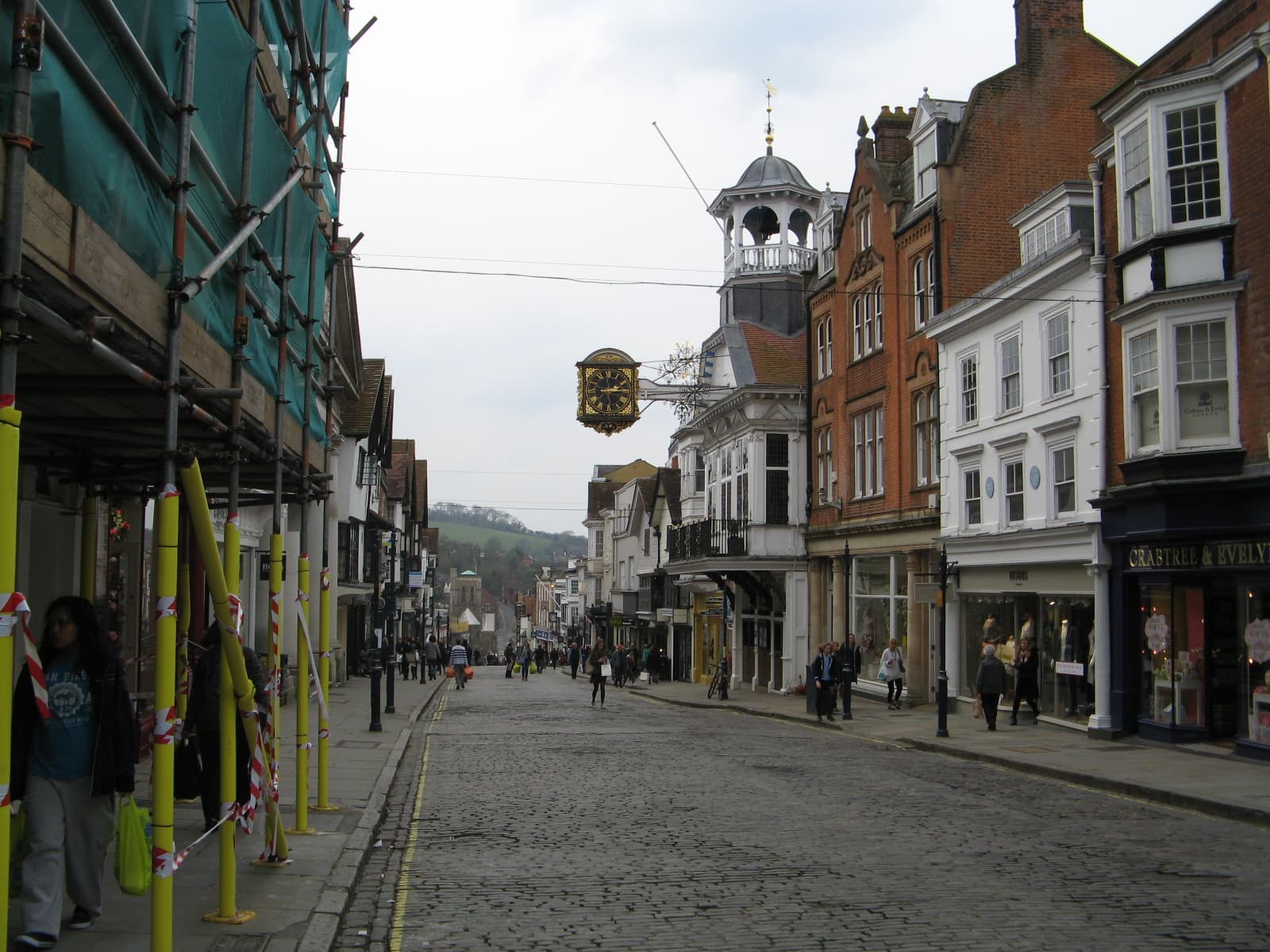
Consider the variety within our borders. From the Georgian elegance of Guildford's High Street to the village greens of Shere and Abinger Hammer, Surrey offers an almost theatrical range of English settings. The North Downs provide a dramatic backdrop that changes with the seasons, while our market towns, many dating back to medieval times, have evolved into sophisticated hubs that cater to contemporary lifestyles without losing their historical integrity.
The education landscape deserves particular attention. Surrey's exceptional schools, from highly-rated state primaries to prestigious independent institutions like Charterhouse and Prior's Field, create a compelling proposition for families seeking educational excellence. This educational ecosystem doesn't just serve residents, it cultivates the kind of informed, engaged community that makes Surrey towns so culturally vibrant.
Surrey represents the sweet spot where English countryside charm meets metropolitan sophistication, offering residents the best of both worlds without compromise.
Beyond the Commuter Belt Stereotype
While Surrey's proximity to London undoubtedly contributes to its appeal, reducing the county to a mere 'commuter belt' misses the point entirely. Yes, the transport links are exceptional, the A3 and M25 provide road access, while rail connections from stations like Guildford, Woking, and Dorking ensure that central London remains within easy reach. But Surrey's true strength lies in its ability to function as a destination in its own right.
The county's economic landscape has evolved considerably. Woking's business district, for instance, houses major corporate headquarters, while Guildford's technology sector continues to expand. This economic diversification means that many residents no longer need to travel to London for career opportunities, creating genuine communities rather than dormitory towns.
The cultural offerings reflect this evolution. The Yvonne Arnaud Theatre in Guildford rivals many West End venues, while festivals like the Leith Hill Musical Festival and Farnham Folk Festival demonstrate a cultural richness that extends far beyond weekend farmers' markets, though Surrey's food scene, from Michelin-starred establishments to farm shops like Secretts, certainly adds to the appeal.
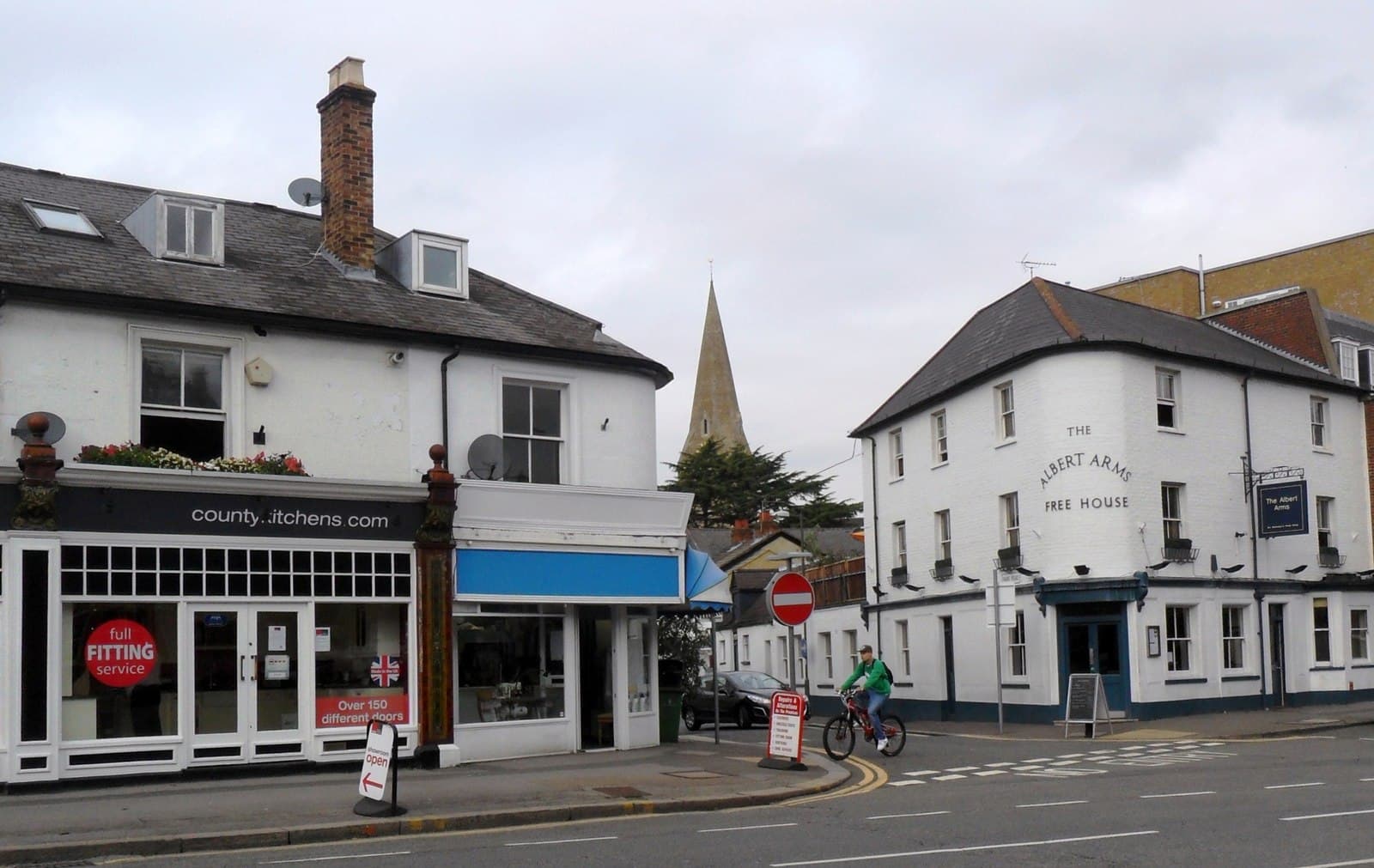
Shopping destinations have similarly elevated themselves. While maintaining charming independent boutiques along streets like Godalming's High Street, Surrey has also embraced contemporary retail. The transformation of spaces like Tunsgate Quarter in Guildford shows how the county successfully balances heritage preservation with modern commercial needs.
The Premium of Authenticity
What sets Surrey apart from other affluent Home Counties areas is its commitment to authenticity. Unlike some regions where development has overwhelmed character, Surrey's planning approach has generally succeeded in preserving what makes each town distinctive. The result is a collection of communities that feel genuine rather than manufactured.
This authenticity extends to Surrey's approach to green space. The county boasts more National Trust properties than any other, from Polesden Lacey's Edwardian grandeur to Clandon Park's ongoing restoration. But it's not just about grand estates, Surrey's network of commons, including Wimbledon Common and Bookham Commons, provides accessible green space that enhances daily life rather than serving as mere weekend destinations.
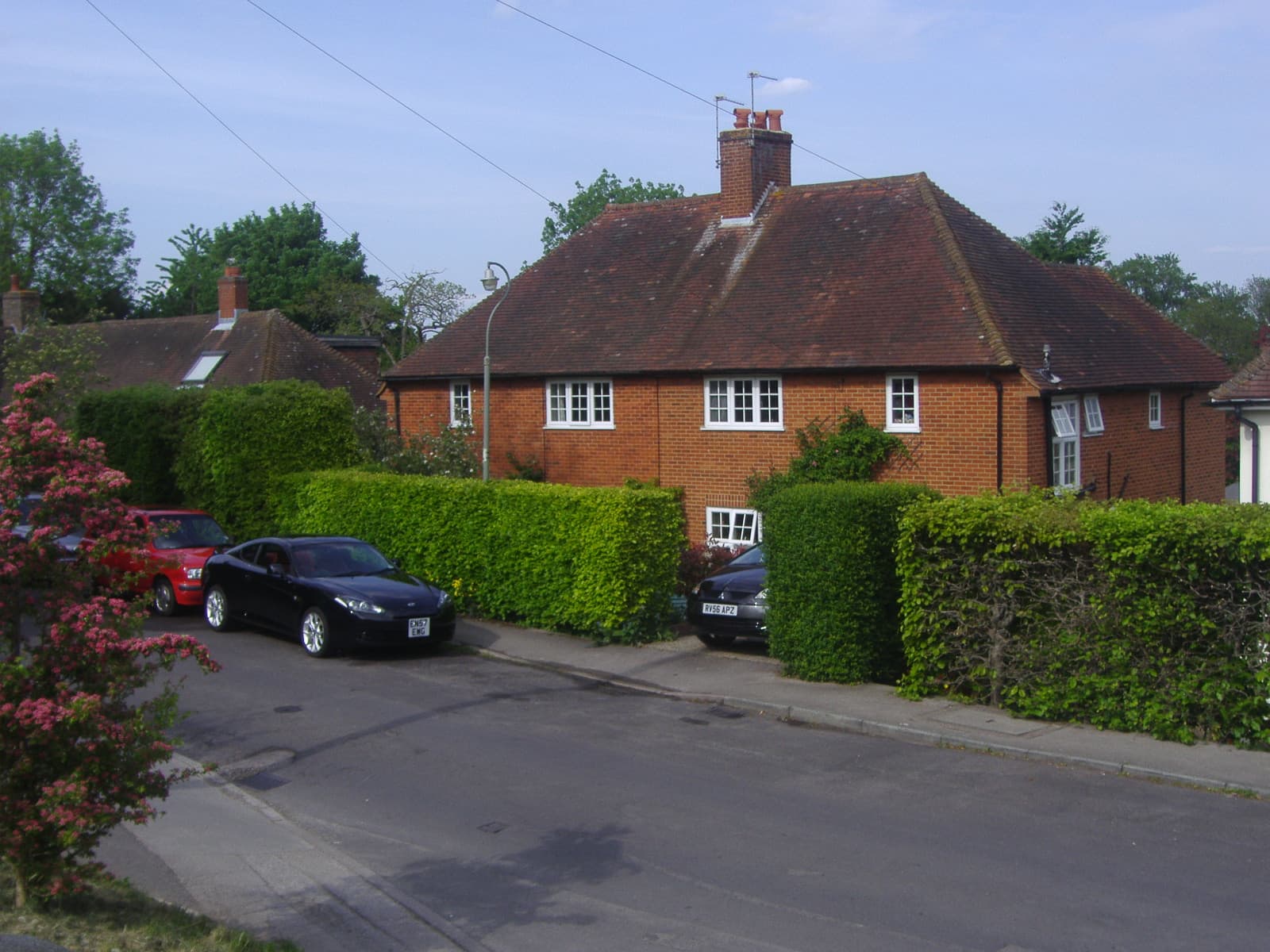
The housing stock itself tells this story of authentic evolution. Victorian and Edwardian family homes sit comfortably alongside contemporary developments, while converted period properties offer modern living within historical frameworks. This variety ensures that Surrey appeals to different life stages and preferences, from young professionals seeking stylish apartments to families wanting substantial homes with gardens.
Property values naturally reflect this desirability, but they also create a virtuous cycle. High values encourage careful maintenance and thoughtful renovation, while attracting residents who invest in their communities. The result is a self-reinforcing culture of quality that becomes evident in everything from well-maintained high streets to active local societies and volunteer organisations.
As we look toward the future, Surrey's challenge will be maintaining this delicate balance between accessibility and exclusivity, between growth and preservation. The county's success in the desirability stakes isn't just a matter of pride, it's recognition of a way of life that represents the best of contemporary English living. For those fortunate enough to call Surrey home, these rankings simply confirm what we experience daily: that we've found something rather special in these ancient hills and modern towns.