The verdant lanes of Surrey are no stranger to the low hum of planning disputes, but the latest proposal for a substantial 51-home estate in one of our cherished villages near Guildford has stirred the familiar tension between progress and preservation. As another sizeable development edges closer to approval, we find ourselves once again confronting the fundamental question that defines modern Surrey living: how do we balance our acute housing needs with the very character that makes our county so desirable?
This isn't merely another planning application crossing the desks at Guildford Borough Council, it's a microcosm of the challenges facing every Surrey community from Haslemere to Reigate, from Dorking to Woking. The proposed development represents more than bricks and mortar; it's a litmus test for how we envision Surrey's future in an era of unprecedented housing pressure.
The Economics of Surrey's Appeal
Surrey's property market has long operated in a league of its own, consistently ranking among England's most expensive counties outside London. The proximity to the capital, coupled with outstanding schools, verdant countryside, and that indefinable Home Counties charm, has created a perfect storm of demand that shows no signs of abating. The average house price in areas surrounding Guildford now comfortably exceeds £600,000, with many family homes commanding well over £1 million.
This economic reality creates a compelling case for developments like the proposed 51-home estate. Local families, particularly those with grown children seeking to remain in their childhood communities, find themselves increasingly priced out of villages they've called home for generations. Young professionals working in Guildford's thriving business parks or commuting to London face an equally stark choice: compromise on location or stretch finances to breaking point.
The ripple effects extend far beyond individual households. Local businesses struggle to attract staff who can afford to live nearby, while schools and healthcare services grapple with the challenges of serving communities where key workers are increasingly absent. Housing supply, quite simply, has failed to keep pace with Surrey's enduring appeal.
The question isn't whether Surrey needs more housing, it's whether we can deliver it in a way that enhances rather than erodes the qualities that make our communities so special.
Balancing Growth with Surrey's Village Identity
Critics of large-scale residential developments in Surrey villages raise legitimate concerns about infrastructure strain and character preservation. The narrow lanes that wind between our market towns were never designed for the traffic volumes that major housing estates generate. GP surgeries already stretched thin face additional pressure, while primary schools in popular catchment areas operate waiting lists that would make exclusive restaurants envious.
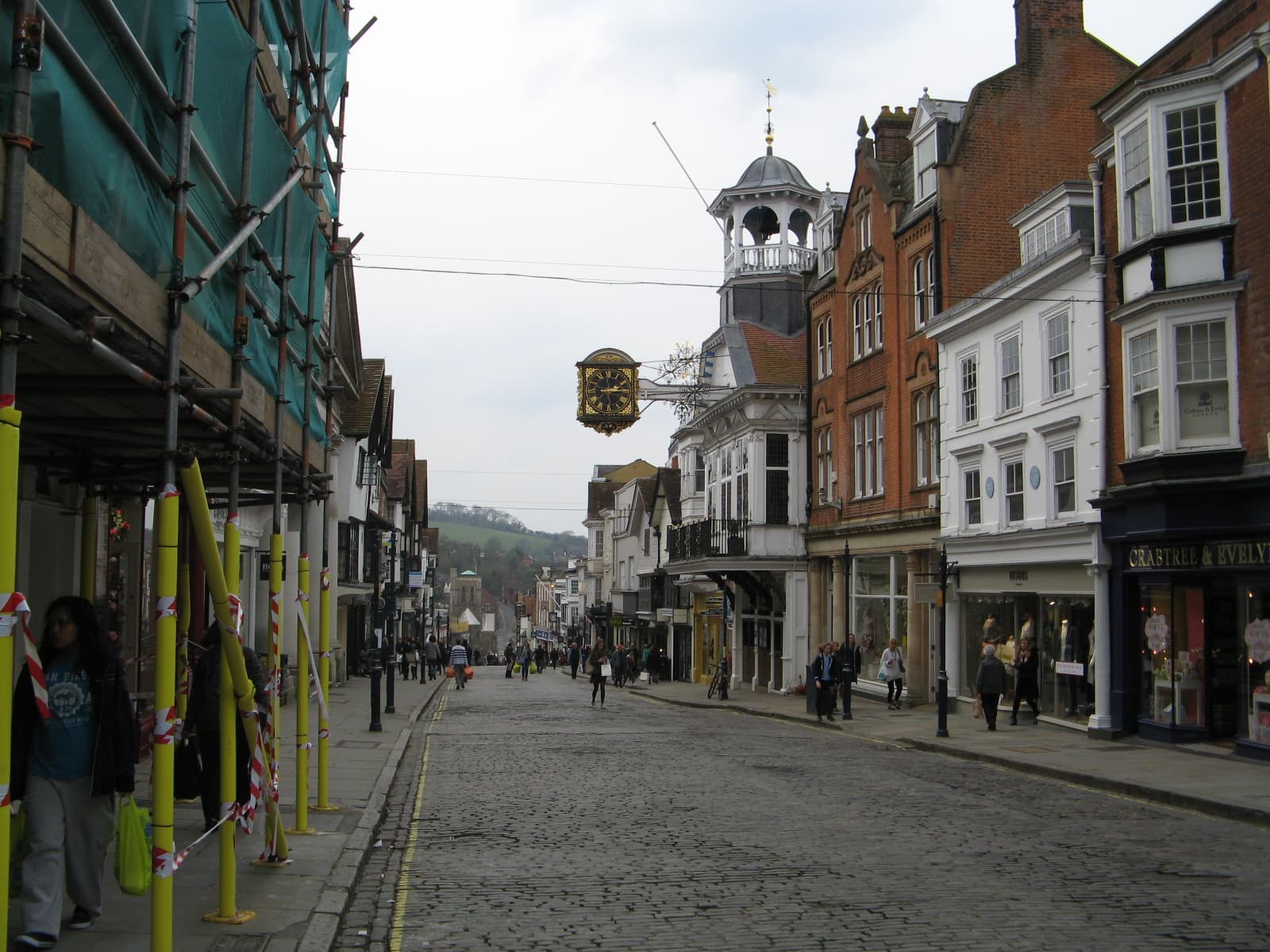
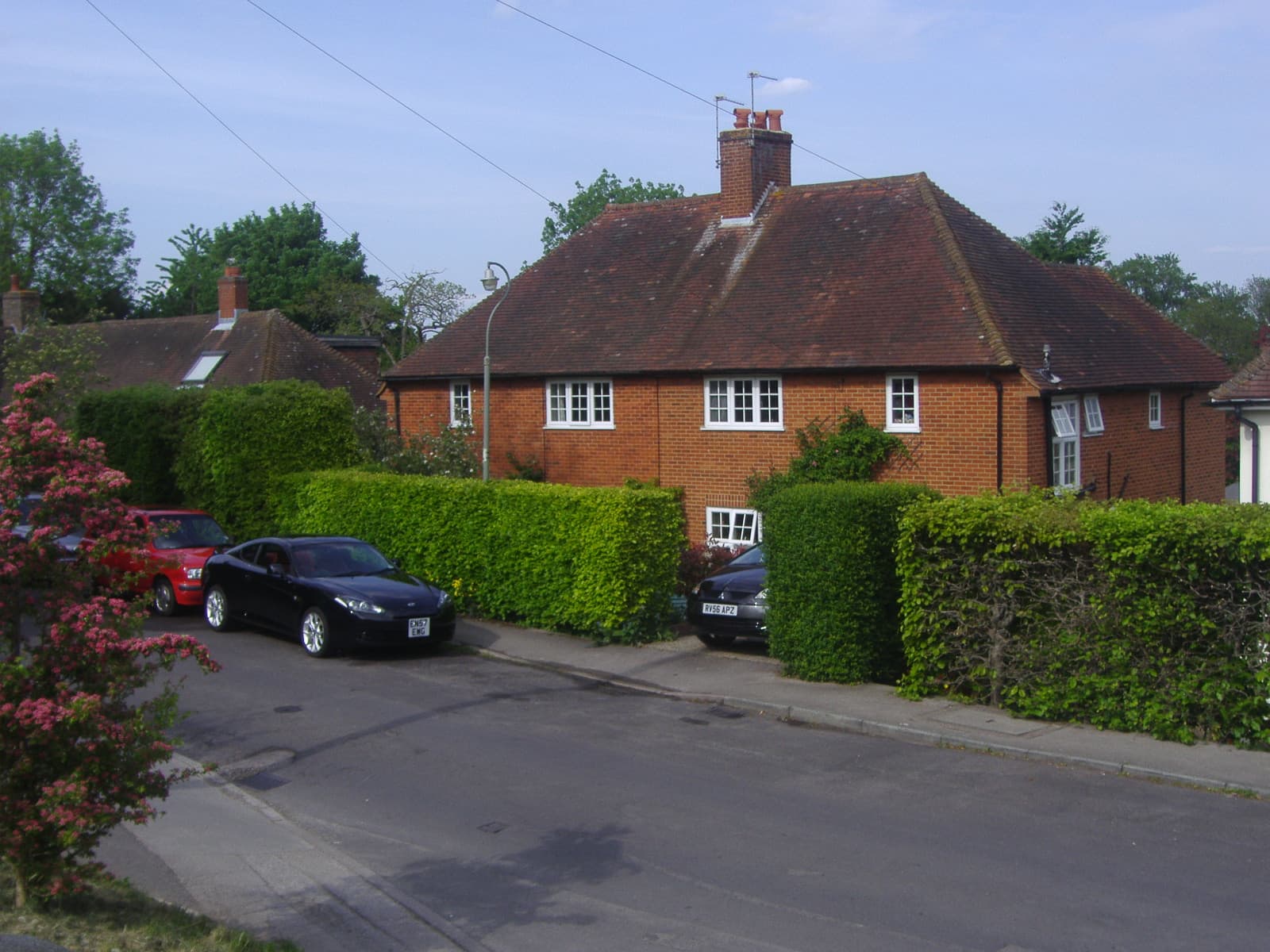
Yet the argument for maintaining the status quo isn't without its own contradictions. Many of Surrey's most cherished villages have evolved significantly over centuries, with Georgian terraces added to medieval centres, Victorian villas extending original boundaries, and post-war developments that are now considered integral to local character. The Edwardian suburbs of Guildford, once controversial additions to the historic town centre, are now among its most sought-after addresses.
The key lies in the quality and sensitivity of development. Surrey's planning authorities have increasingly demanded higher standards from developers, requiring meaningful contributions to local infrastructure, adherence to design codes that reflect local architectural vernacular, and integration of green spaces that preserve the county's essential character.
Smart developments in areas like Cranleigh and Godalming demonstrate how thoughtful planning can create new communities that feel authentically Surrey. These schemes prioritise pedestrian-friendly layouts, incorporate mature landscaping from the outset, and ensure new homes complement rather than compete with existing streetscapes.
Looking Forward: A Surrey Built for Tomorrow
The proposed 51-home development near Guildford will likely proceed to approval, as have similar schemes across the county in recent years. The question isn't whether Surrey needs more housing, the evidence is overwhelming that it does. Rather, the challenge lies in ensuring that growth occurs thoughtfully, with proper consideration for the infrastructure and community investments that transform housing estates into genuine neighbourhoods.
Surrey's local authorities must resist the temptation to approve developments purely on numerical grounds, instead holding developers to the highest standards of design, sustainability, and community integration. This means insisting on adequate parking provision that acknowledges Surrey's car-dependent geography, ensuring developments contribute meaningfully to local schools and healthcare provision, and maintaining the green spaces and mature trees that define our county's character.
Equally important is the need for Surrey residents to engage constructively with the planning process. Opposition to all development is neither realistic nor fair to the many individuals and families seeking homes in our communities. Instead, we must channel our passion for Surrey's character into ensuring that new developments meet the standards our county deserves.
As this latest proposal moves through the planning system, it offers Surrey an opportunity to demonstrate that growth and character preservation need not be mutually exclusive. The villages and towns that make our county so special didn't emerge fully formed, they evolved through centuries of thoughtful development that responded to changing needs while respecting local identity.
Our task is to ensure that today's planning decisions contribute positively to that evolution, creating the Surrey communities that future generations will cherish as much as we treasure those we've inherited. The 51 homes under consideration represent more than a housing statistic, they're an investment in Surrey's future, deserving of our highest expectations and most careful scrutiny.