Farnham Castle stands at the top of Castle Street, Farnham, GU9 0AG, looking over the town. It is one of the more quietly remarkable historic sites in Surrey: a Grade I listed castle that belonged to the bishops of Winchester for over 800 years, with a shell keep on a mound and a palace behind it.
Before you go: the keep is closed
The keep is closed at the time of writing. The Farnham Castle Trust says entrance is shut because of falling masonry and safety concerns, and that it is unlikely to reopen until mid to late 2026. The Farnham Herald reported that loose or fallen stones, many of them high above ground, were the cause, and that English Heritage found the work needed to make the keep safe was more extensive than first thought.
English Heritage's own pages have not always agreed with one another, so check both English Heritage and the Farnham Castle Trust before you travel. Do not plan a visit around climbing the keep until a reopening date is confirmed.
The Bishop's Palace is a different matter. The Trust's page says palace guided tours are still running on Wednesday afternoons.
Why the bishops built here
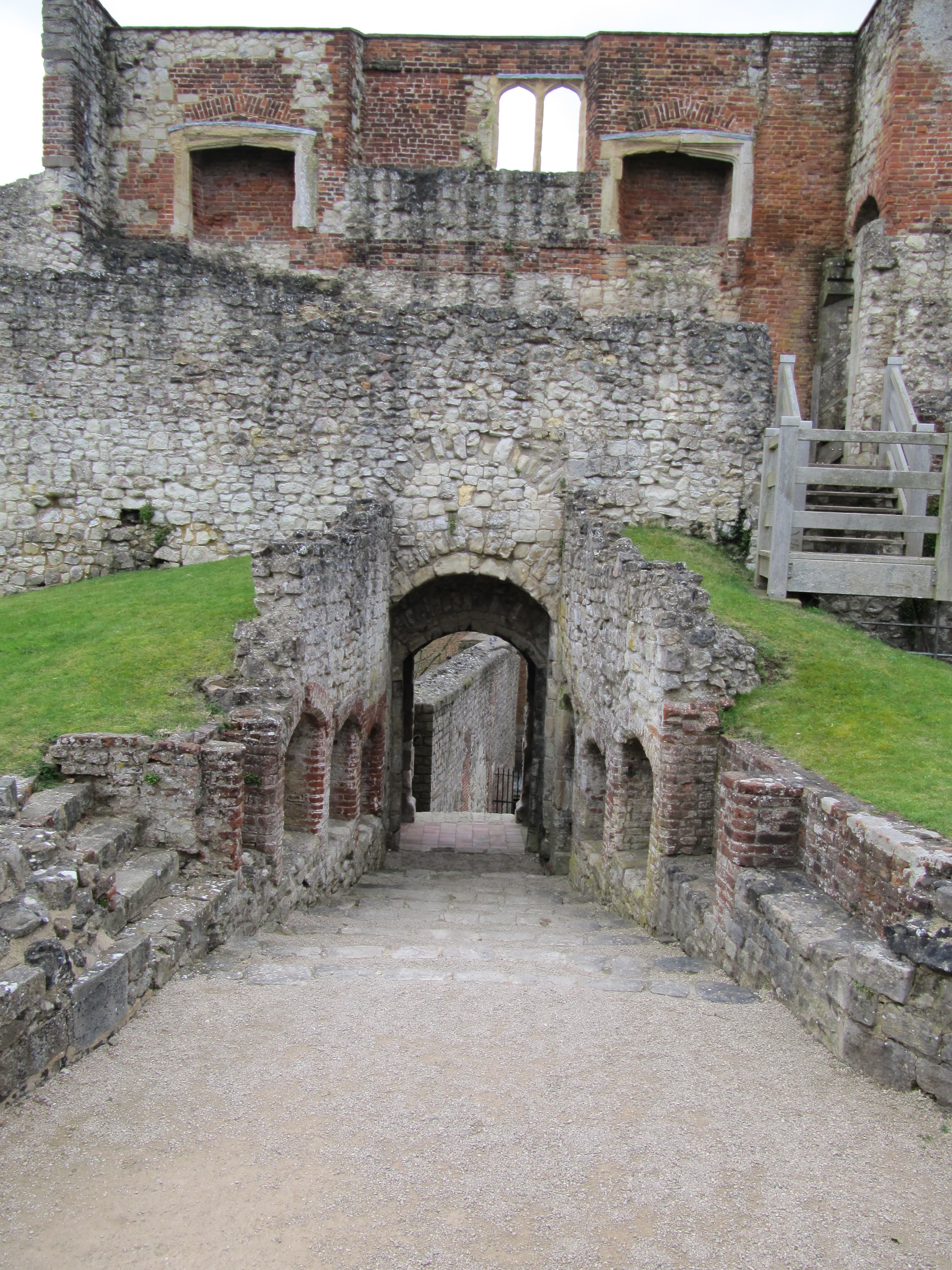
English Heritage says the motte and shell keep belong to a castle founded in 1138 by Henry of Blois, Bishop of Winchester and brother of King Stephen. In medieval times the diocese of Winchester was the richest in England, and Farnham was a favourite residence of its bishops. The castle was rebuilt in the late 12th and early 13th centuries, and a viewing platform at the keep shows the buried remains of an earlier tower.
The Trust points out that the story may start earlier. The original keep may date from Bishop William Giffard's time (1100 to 1129), and the work of 1138 was probably a stone keep on a site that was already fortified. Britain Express makes a similar point: Henry's castle may simply have extended an earlier residence begun by Giffard.
Henry of Blois is worth knowing. He was William the Conqueror's grandson, came from Cluny Abbey in 1126 to be Abbot of Glastonbury, and was bishop from 1129 to 1171. He built six castles, among them Wolvesey in Winchester, and Winchester Palace in Southwark. He began the Hospital of St Cross and sponsored the Winchester Bible. He backed his brother Stephen for the throne in 1135, which led to civil war with Matilda's supporters, and in 1139 he became Papal Legate, ranking above the Archbishop of Canterbury.
A stopping place between London and Winchester
Farnham sat conveniently between London and Winchester. The Trust describes the castle as rarely a home in the early centuries, more a place the bishops visited often for rest and recreation, with monarchs among their guests. Historic Houses names Henry VIII, Katherine of Aragon, Mary I, Elizabeth I and James I as royal visitors.
That changed after 1660, when, according to the venue's own site, the Palace became the bishop's principal residence, serving as administrative centre, fortress and accommodation. In the early 20th century Historic Houses credits Amy Anderson with saving the castle for future generations.
Palace tours: what to know
When: most Wednesday afternoons, 2pm to 4pm, with the last tour leaving at 3.45pm. Days and availability can vary, and admission may depend on the weather.
Price: £5, free to Historic Houses members, students and under-18s.
Booking: check the castle website for the current arrangements before you set out.
What you see: the Trust lists a medieval great hall, kitchen, chapels, a Tudor wing and a staircase one visitor called fabulous.
Underfoot: expect steps and uneven surfaces.
The Historic Houses listing says self-guided access is only possible on Heritage Open Day, so look up the date if that is what you want. Groups can book guided visits, and guides will visit local societies. Schools can book keep visits on most weekdays, though with the keep closed it is sensible to ask what is on offer first.
Who runs what
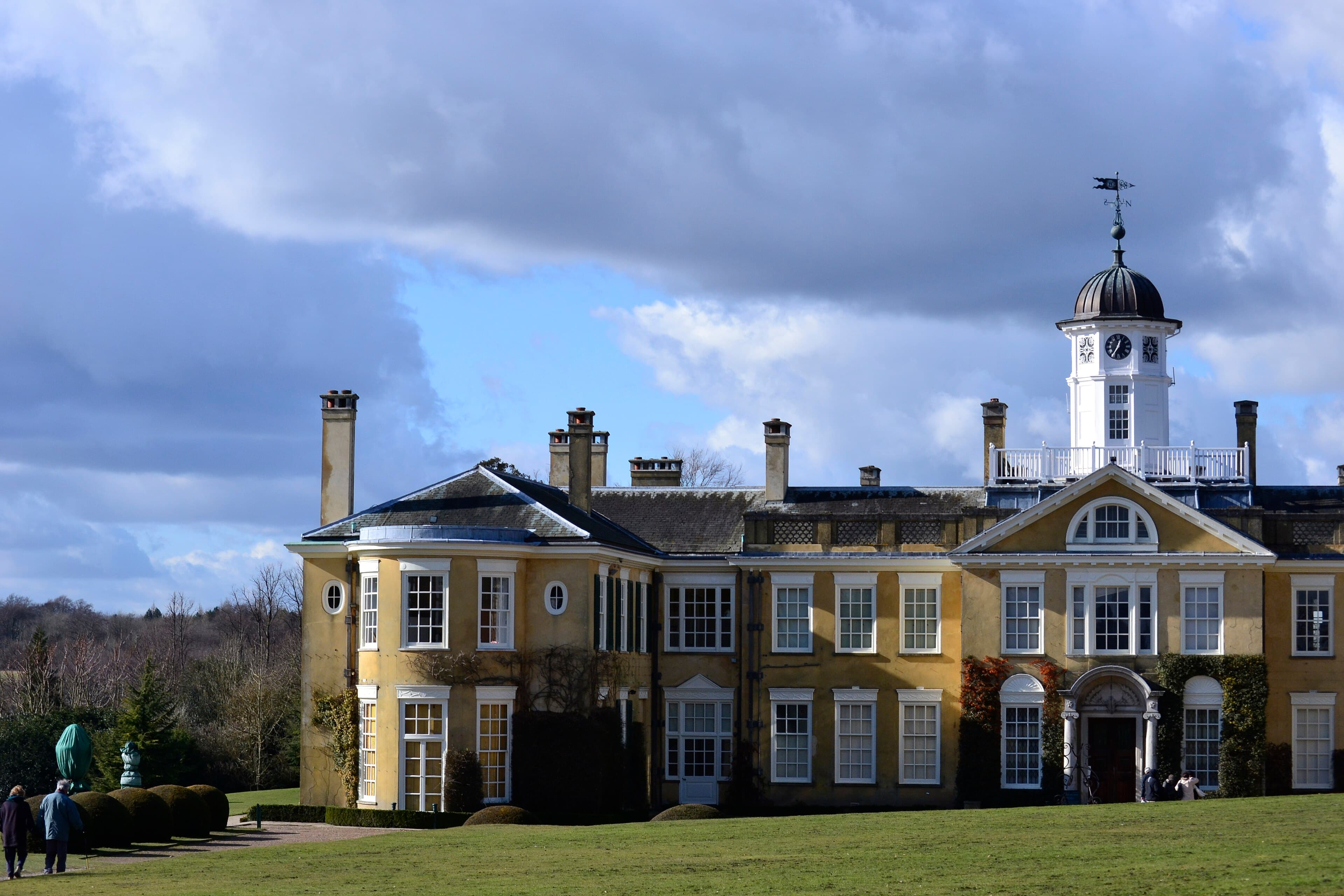
English Heritage looks after the keep and offers free entry when it is open, while other parts of the wider site are privately owned. The Farnham Castle Trust runs visitor information and tours. The Bishop's Palace is also an events venue: the castle's venue site describes it as an award-winning wedding, meeting and events venue on the Surrey and Hampshire border, set in 5 acres of gardens and lawns including a Great Lawn with views over Farnham towards the Surrey Hills. The Palace is private, and overnight accommodation is only for guests attending a wedding or event.
Getting there and the walk back down
English Heritage says there are toilets at the castle, some with wheelchair access, but no other facilities. Farnham town centre is a half-mile walk downhill, with shops and places to eat and drink, which makes a castle visit easy to pair with an afternoon in town. English Heritage can be reached on 01252 721194.